
Part 2: Stocking Up and Budgeting
Part 1 had you pondering barrels and receivers like a 12-gauge philosopher, now we’re diving into the finishing touches: adjustable stock options, budget considerations, and the worldly debate of Italian, German, and American-made shotguns. Remember, buying a competition Trap gun isn’t just an investment – it’s an essential tool tool to achieving your dreams of 100-straight streaks (or an excuse to use when you miss!).
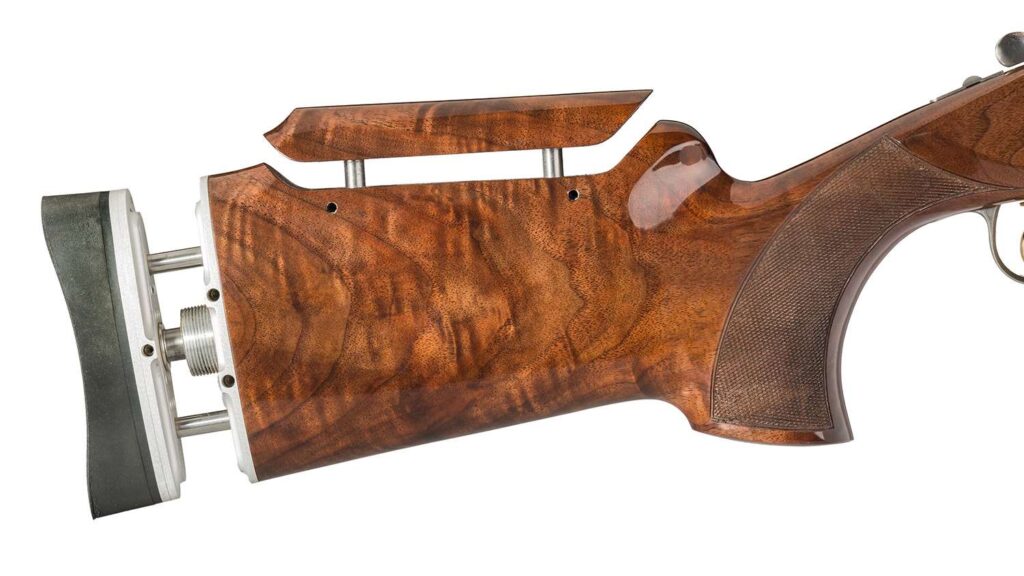
Let’s start with adjustable stocks. In Trap, proper fit is everything. Fixed stocks are simple and reliable, but adjustable ones let you tweak comb height, cast, and length of pull for that perfect cheek weld. Think of it as customizing your shotgun like a tailor fits a suit – no more hunching or straining. Pros: Better accuracy, improved sight picture, and adaptability for different shooters. Cons: More complexity means potential for things to loosen up, and they’re a bit pricier. Options like the Beretta’s adjustable comb or Perazzi’s modular systems can turn a good gun into your soulmate, but beware: over-adjusting might lead to the constant distraction of second guessing your set-up.
Entry-level Trap guns start around $1,000-$2,000 for solid performers like a Browning BT-99 (single barrel) – a workhorse that won’t let you down.
Mid-range guns ($2,000-$5,000) gets you more bells and whistles like adjustable components and better engraving – because who doesn’t want their gun to look fancy while sitting on the rack?
High-end beasts ($5,000+) are for the die-hards, with custom fits and lifetime warranties. Remember to factor in extras like chokes, cases, and ammo – it’s like buying a car and forgetting about the gas.
Pro tip: Used guns can save you a bundle, but take the time to inspect it for wear.
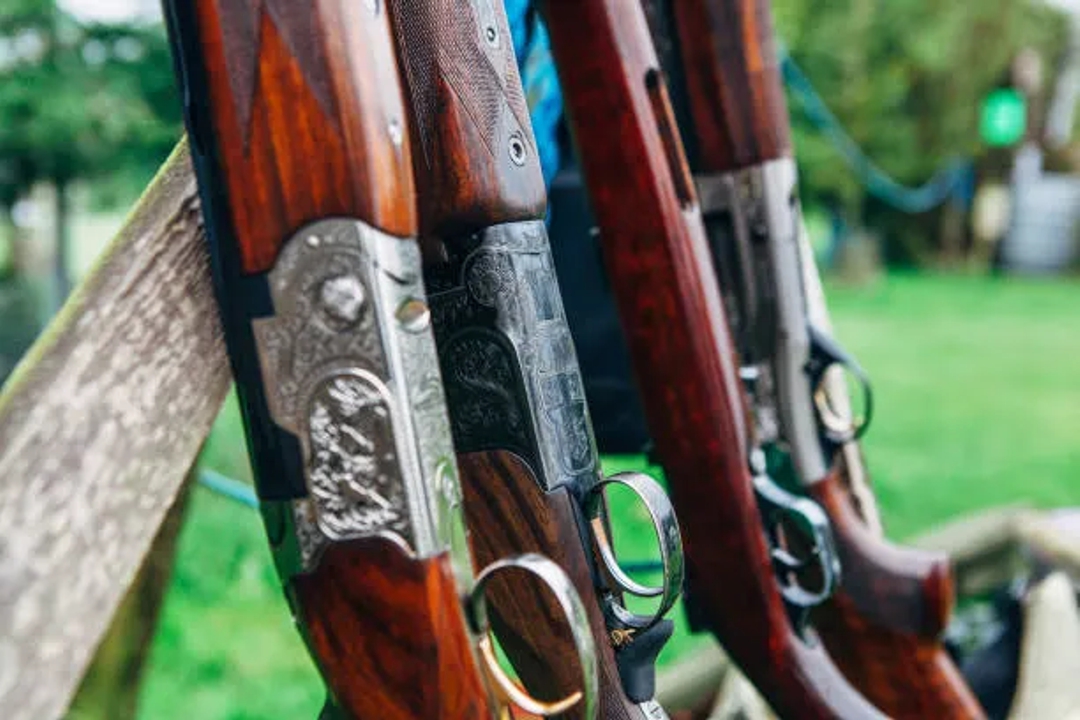
Which is best – Italian, German, and American guns? Italian guns (like Beretta and Perazzi) are the Ferraris of shotguns – elegant, precise, and with handmade flair. Pros: Superb balance, beautiful wood, and a legacy in competitions (Perazzis have won more Olympic shooting events than I can count). Cons: Expensive parts and limited local service options can be frustrating, plus they’re so pretty you might hesitate to shoot them in the rain.
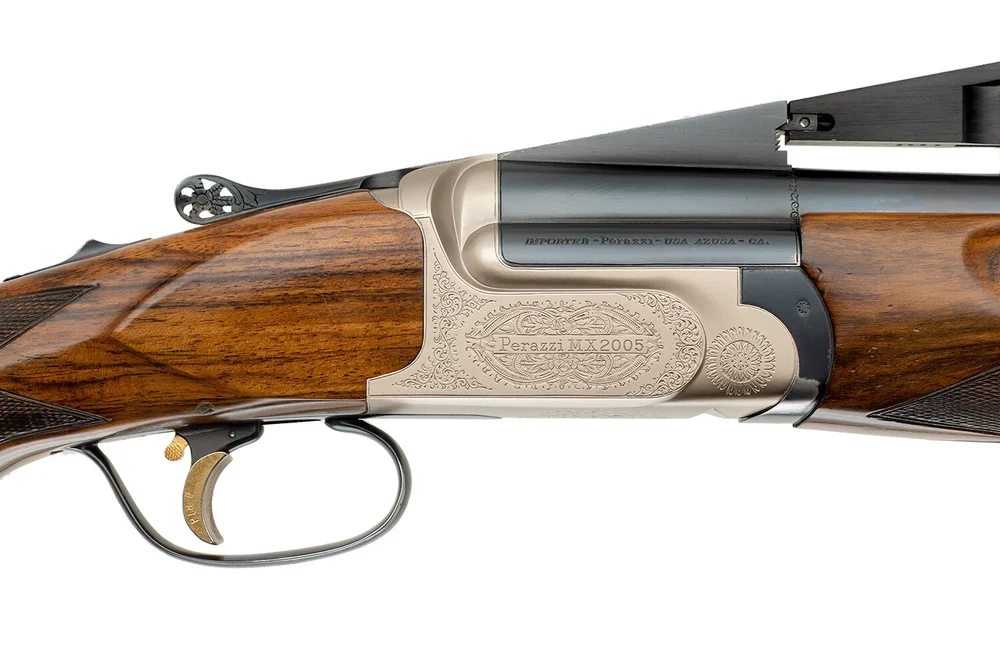
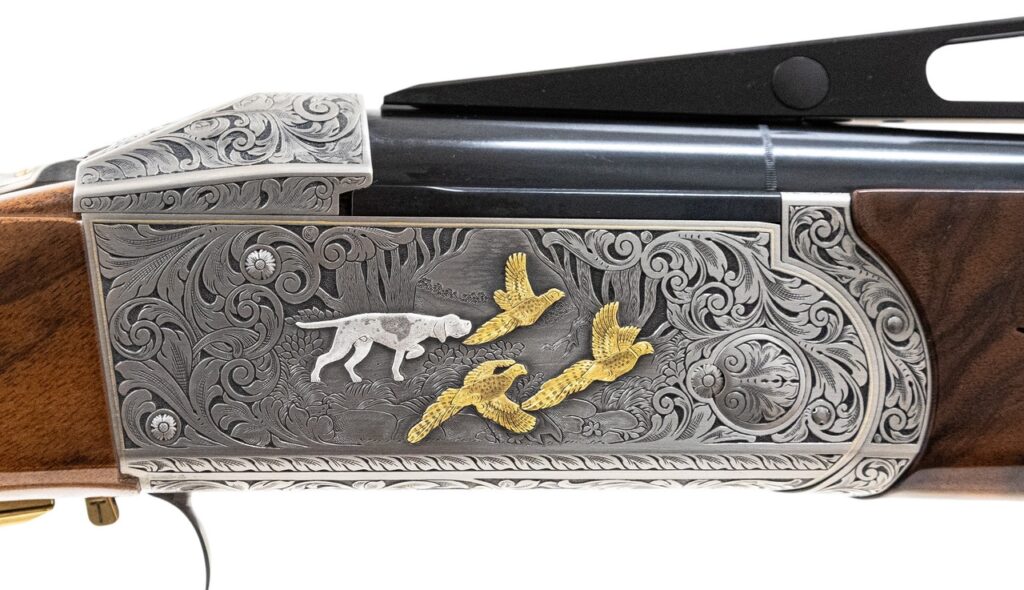
German guns (think Krieghoff or Blaser), offer engineering precision like a Swiss watch. Pros: Durable, innovative upgrades (adjustable ribs), and reliable in any weather. Cons: Heavier, more durable builds bring a steeper price tag – they’re built to last for generations, but your bank account might not be that accommodating.
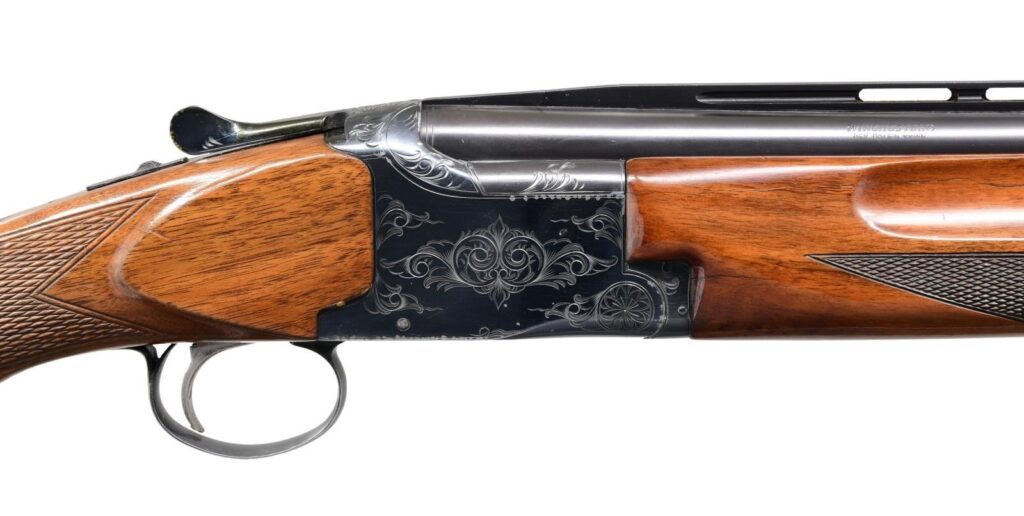
American guns (Browning, Winchester, or Remington) offer rugged, no-nonsense reliability that are budget friendly. Pros: Affordable, easy-to-find parts, and great customer service in North America.
Cons: Sometimes less refined than Euro options, with a fit and finish that screams “practical” over “artistic.” It’s like comparing a muscle car to a supercar – both are fun, but one is more refined.
There you have it – whether you’re going Italian chic, German stout, or American tough, the key is trying before buying. Hit the range and bust some clays, and find out which one swings your way. Be sure to ask the Ridgedale Trap Club Members for advice and tips before you buy – these guys have loads of experience shooting many different types of guns and if you talk nice, they may even let you try one of their guns!
Happy shooting! – Keep your eye on the rock and your head on the stock.