

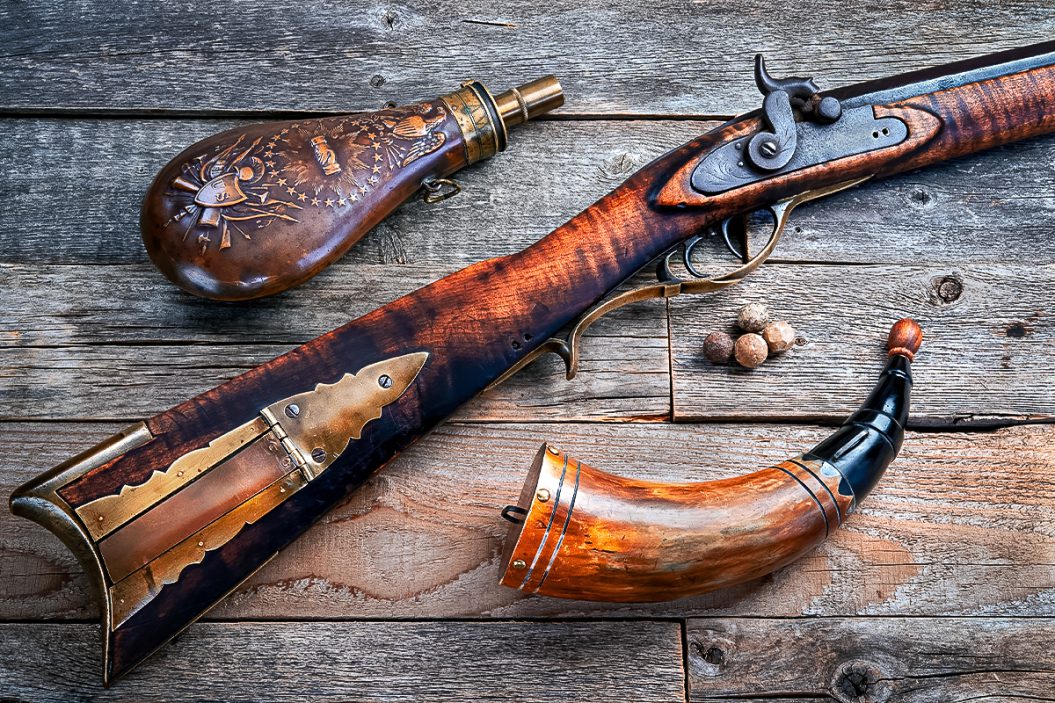
In an age dominated by high-velocity cartridges and polymer-framed pistols, black-powder firearms occupy a unique and cherished niche. Far from being mere historical curiosities, muzzleloading rifles, pistols, and revolvers offer a deeply rewarding shooting experience that combines deliberate ritual, sensory richness, and a tangible connection to the past.
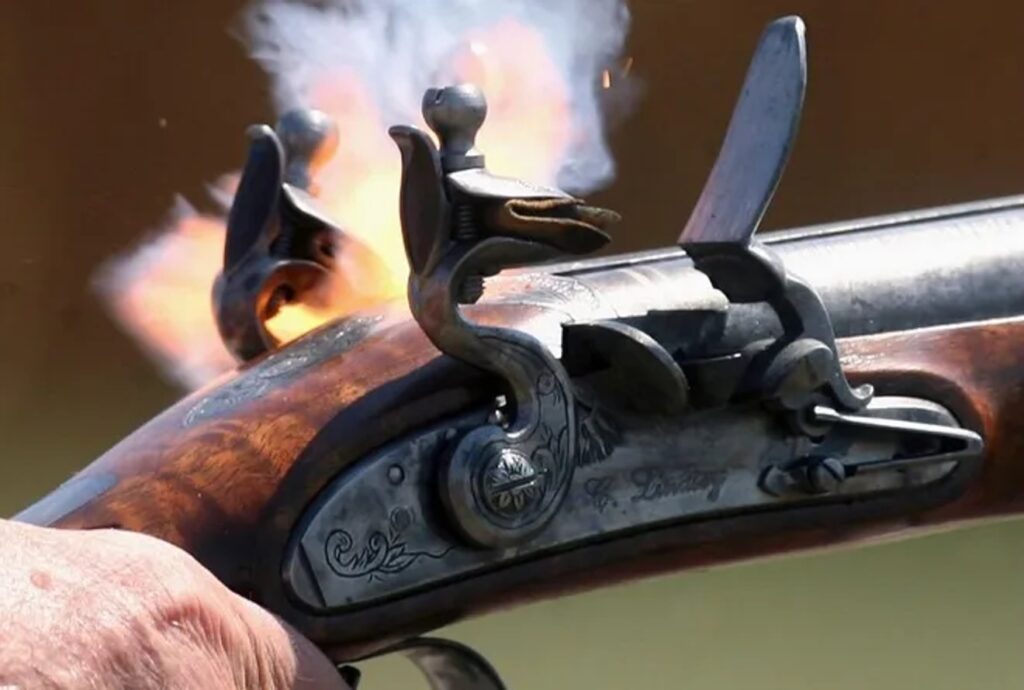
The loading process itself is the heart of the discipline. Measuring powder from a flask, seating a patched round ball or conical bullet with a ramrod, and setting a percussion cap or priming a flintlock demand patience and precision. There is no magazine to slap home, no slide to rack—only a sequence of measured steps that slowdown time and focus the mind. When the hammer finally falls, the result is unmistakable: a deep, resonant report accompanied by a voluminous cloud of white smoke and the distinctive aroma of burnt black powder. Few experiences in shooting are as viscerally satisfying.
Black-powder guns also reward craftsmanship and historical appreciation. A well-made replica of an 1847 Walker Colt or an 18th-century Pennsylvania longrifle is not just a firearm; it is functional art. Shooters often find themselves drawn into the details—case-hardened lockplates, hand-checkered walnut, the subtle curve of a trigger guard—features that modern mass production rarely replicates. Maintaining these pieces of history and art becomes its own pleasure: cleaning fouling with hot water, polishing brass, and ensuring the lockwork components remain crisp.
Accuracy, while not on par with modern centerfire rifles at extreme distances, is more than adequate for the traditional ranges at which these arms were designed to be used. A tuned flintlock or percussion rifle in skilled hands can consistently place shots inside a few inches at 50–100 yards—an impressive feat when one considers the variables of powder charge, patch thickness, and wind drift through smoke.
Yes, the guns are dirty, the reloading deliberate, and the occasional hangfire still startles newcomers (three-Mississippi pauses are standard). Yet these are not drawbacks; they are signatures. Black-powder shooting is the rare corner of the firearms world where slower is genuinely better, where the journey from empty barrel to thunderous discharge is as enjoyable as the hole punched in the target.
For those seeking respite from the frenetic pace of contemporary life—or simply a deeper, more contemplative form of marksmanship—the muzzleloader remains unrivaled. It is, in the end, the shooting sport that refuses to hurry, and that is precisely why so many of us keep coming back to the smoke.
Interested in learning more about Black Powder? Contact Ridgedale’s Black Powder Club for more information and join the appreciation of the firearms of yesteryear: Blackpowder@ridgedale.net