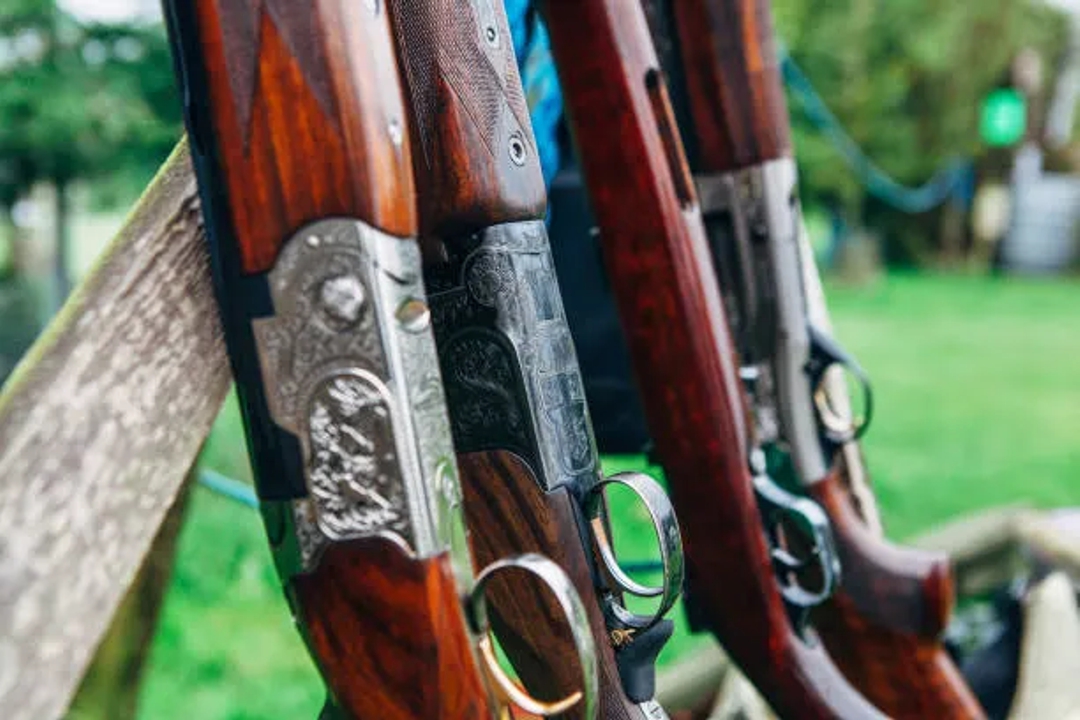
Part 1: Shotgun Styles for Trap Shooting
If you’re as addicted as I am to the satisfaction of dusting clay targets and want to dip your toes into the world of competition Trap shooting, picking the right shotgun is like choosing a dance partner – it needs to feel right, perform with precision under pressure, and do it in style without stepping on your toes (or wallet).
Let’s start with the big choices: single barrel vs. over/under, and break-action vs. semi-auto receivers.
Single barrel versus over/under: A single-barrel shotgun is the minimalist’s dream – one tube, one shot at a time. It’s lighter, simpler (and often cheaper), making it great for beginners who don’t want to wrestle with a heavier double-barreled gun. Less weight means a quicker swing, and there’s no second-guessing which barrel you’re going to use. Great for shooting singles, but you’re limited to a semi-auto receiver if you want to shoot doubles.
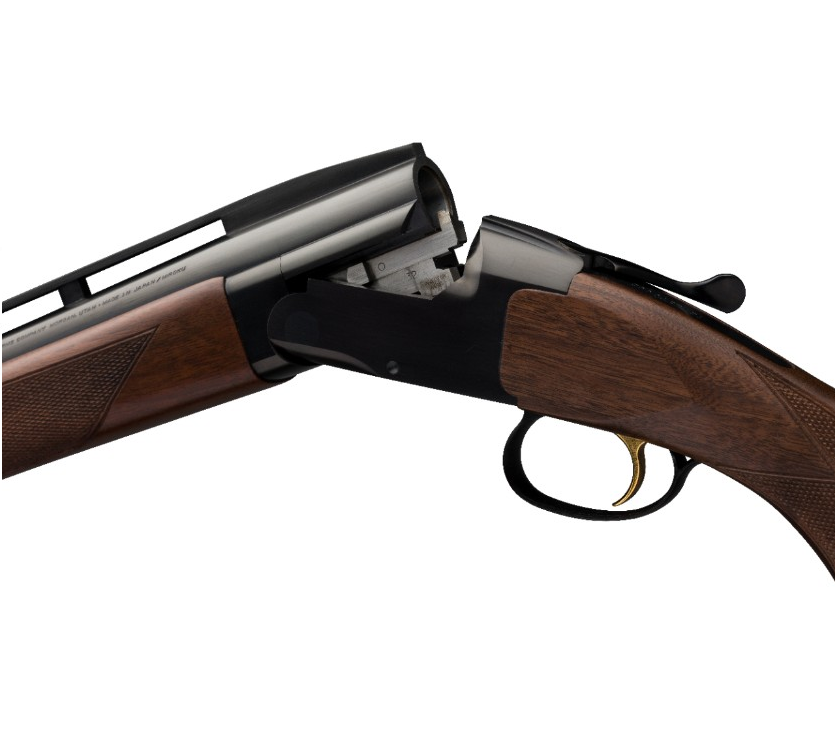
On the flip side, over/under (O/U) shotguns stack two barrels vertically, they’re the gold standard in Trap competitions. Advantages include better balance and the ability to choke each barrel differently for doubles. Downsides? They’re heavier, which can tire you out over a long day, and pricier. If you’re serious about getting into Trap shooting, an O/U like a Beretta or Browning will make you feel like a pro.

Break-action versus semi-auto: Break-action receivers hinge open like a book, letting you load shells manually. They’re reliable, easy to clean, and dominate Trap because semis are actually banned in certain competitions. The break-action is a time-tested and proven design with less fouling, less moving parts and they’re tough as nails.
Semi-autos cycle shells automatically after each shot, spitting out empties like a caffeinated barista. Great for volume shooting, but in Trap, they can be finicky with light loads and shell deflectors are needed so you’re not ejecting spent shells into your squad-mates face. Plus, more moving parts equal more frequent cleaning, and potential jams – nobody wants a shotgun that ghosts you mid-competition.

Barrel lengths: Trap guns typically run 30-34 inches. Longer barrels (32-34″) give smoother swings and tighter patterns for those handicap shots, but they’re unwieldy for quick mounts. Shorter ones (30″) are snappier for singles but might sacrifice some velocity at handicap distances. It’s like choosing between a limousine and a sports car – both get you there, but one feels more luxurious on the straightaways and one handles better going around the curves.